How Multifamily Properties Can Attract Gen Z Renters with In-Unit Laundry
As the oldest members of Generation Z move deeper into the rental market, multifamily property owners and managers face a shifting set of priorities among prospective tenants. Gen Z renters—digital natives who value convenience, personal control, and health-conscious living—are reshaping expectations for everyday amenities. Among these, in-unit laundry has emerged as a straightforward but powerful differentiator: it directly addresses lifestyle preferences that matter to this cohort and can meaningfully influence leasing decisions, willingness to pay, and long-term retention.
Why does in-unit laundry resonate so strongly with Gen Z? For many, time is a premium: juggling work, side projects, and social commitments makes the time-savings of a washer and dryer inside the apartment highly attractive. Privacy and hygiene have also risen in importance since the pandemic, making shared laundry rooms less appealing. Beyond utility, Gen Z prefers seamless, technology-enabled experiences—smart appliances, app-based scheduling, and energy-efficient machines fit their expectations for convenience and sustainability. While this generation is cost-conscious, they are often willing to pay a modest premium for features that save time, reduce hassle, and align with their environmental values.
For property owners, delivering in-unit laundry requires careful planning to balance resident demand with capital and operational realities. Retrofitting older units involves plumbing, venting or ventless solutions, electrical upgrades, and soundproofing; developers of new projects must consider floorplan layouts that accommodate stackable or combination units. Appliance choice matters: high-efficiency washers, combo units, and smart-enabled machines cut utility costs and maintenance headaches, while thoughtful lease language and submetering strategies protect owner expenses. Properly executed, the investment can reduce turnover, boost occupancy, and command higher rents, but it requires a clear analysis of installation costs, unit types, and long-term maintenance plans.
Beyond installation, how you present in-unit laundry to prospective Gen Z renters matters just as much as the amenity itself. Marketing should emphasize convenience, cleanliness, and sustainability; use crisp photos, virtual tours, and social media content to highlight the feature in the context of a modern lifestyle. Bundling laundry with other tech-forward amenities, offering move-in promotions, and using targeted messaging on platforms where Gen Z spends time will maximize impact. In the sections that follow, we’ll explore practical retrofit options, appliance choices, utility strategies, and marketing tactics that let multifamily owners turn in-unit laundry from a nice-to-have into a strategic, revenue-generating amenity.
Convenience, time‑saving and privacy of in‑unit laundry
In-unit laundry directly addresses three priorities that strongly influence Gen Z renters: convenience, time-saving, and privacy. For younger renters balancing classes, early-career jobs, side gigs, and social lives, the ability to wash and dry clothes without leaving their apartment eliminates the downtime and planning required for communal or off-site laundromats. Convenience translates to perceived higher value for the unit: no trips with heavy laundry bags, no waiting for machines, and immediate access to forgotten or urgently needed items. Privacy matters as well — Gen Z often prefers minimizing shared-touchpoints and values the control and discretion that comes with doing personal tasks like laundry within their own space.
From a property-management and design perspective, delivering on these benefits means more than dropping a washer and dryer into a closet. Choose compact, quiet, and efficient models that fit the unit footprint and reduce disruptions; ensure proper ventilation, sound isolation, and easy maintenance access to lower long-term repair burdens. Consider operational choices that reinforce convenience: include washer/dryer utility in the rent or enable simple, transparent billing; provide clear how-to guides and fast-response maintenance channels; offer features like stackable units or washers with quick cycles to appeal to time-pressed residents. Small touches — branded detergent sample packs at move-in, liners for the laundry area, or a small fold-down surface for sorting — amplify the perception of care and convenience without large capital outlays.
Marketing in-unit laundry to Gen Z should frame these practical features as lifestyle enablers. Use short, visual content in listings and social channels that shows how much time and hassle residents can save, using real-life scenarios (e.g., “finish a load between classes” or “quick wash before a night out”). Highlight privacy and health benefits as part of a broader narrative around personal autonomy and safety. Promote measurable advantages — estimated weekly hours saved, noise ratings, or included utilities — and combine that with digital-first leasing tools (virtual tours that focus on the laundry area, quick online move-in options, chat-based leasing) to create a seamless experience from discovery to occupancy. By treating in-unit laundry as a core lifestyle amenity rather than a checkbox, multifamily operators can make their properties significantly more attractive to Gen Z renters.
Smart, connected washers/dryers and mobile app integration
Smart, connected washers and dryers bring app-based control, real‑time notifications and mobile payment into the laundry experience, which aligns directly with Gen Z’s mobile‑first expectations. Renters can start, stop or schedule cycles, receive alerts when loads finish, monitor energy and water usage, and choose custom cycles from their phone—reducing time spent babysitting machines and adding a layer of privacy and convenience that in‑unit laundry uniquely provides. Seamless mobile integration also enables features Gen Z values, like contactless payment, digital receipts, and compatibility with other smart‑home systems, turning a mundane chore into a frictionless part of daily life.
For property managers, connected appliances are a tool for both operational efficiency and marketing differentiation. Remote diagnostics and telemetry let maintenance teams detect errors, order parts, and sometimes resolve issues before a resident notices, improving uptime and lowering service costs. Integration with property portals lets managers bundle laundry into rent or offer subscription packages, apply usage billing automatically, and avoid the disputes and logistical headaches of shared laundry rooms—an attractive proposition for young renters seeking predictable costs and convenience. Those operational benefits can justify modest rent premiums and reduce turnover by increasing resident satisfaction.
To attract Gen Z effectively, multifamily owners should pair the technology with clear marketing and solid implementation practices. Highlight app features, eco‑modes, and time‑saving benefits in listings and virtual tours; offer introductory incentives like a month of free wash credits or referral bonuses; and display short demo clips on social channels to show the convenience in action. Operationally, ensure robust in‑unit Wi‑Fi, choose vendors with secure data practices and firmware update support, provide fallback manual controls, and include service SLAs so renters don’t feel stranded when connectivity fails. Emphasizing privacy, sustainability (energy‑monitoring modes), transparent billing, and quick maintenance will resonate with Gen Z and turn in‑unit smart laundry from a nice‑to‑have into a persuasive leasing differentiator.
Energy efficiency, sustainability and eco-friendly laundry features
Energy-efficient, sustainable laundry features encompass appliances and systems designed to minimize water and electricity use while maintaining or improving cleaning performance. For in-unit installations this typically means high-efficiency front‑loading washers, heat‑pump or condensing dryers, low‑water and cold‑wash cycles, soil‑sensing and load‑sensing technology, and durable components that extend appliance life. These technologies reduce per‑unit utility consumption and lower operating costs for both residents and property owners, cut building peak loads (important in older electrical systems), and shrink the household carbon footprint — all measurable benefits that can be communicated clearly at leasing and renewal.
Implementing in‑unit eco features in multifamily properties requires deliberate product selection, installation planning and ongoing maintenance. Choose appliances with strong efficiency ratings and documented performance in multifamily settings, plan for electrical capacity and dryer venting or condensate handling, and use vibration‑isolation and acoustic enclosures in thin‑walled units to limit noise complaints. Combine appliance rollouts with smart meters or integrated app dashboards so individual usage is visible and billing is transparent; negotiate bulk purchase and service agreements with manufacturers or distributors to lower acquisition and maintenance costs and to secure warranties or trade‑in programs. Finally, document expected water/energy savings and any local rebate opportunities so those operational savings can be quantified and reinvested into resident amenities or rent‑stability programs.
To attract Gen Z renters, position in‑unit eco‑laundry as both a values‑aligned convenience and a tangible cost/value differentiator. Gen Z tends to prioritize sustainability and transparency but is also price conscious and tech‑native: emphasize measurable energy/water savings, give residents real‑time usage feedback through mobile apps, and offer choices like an optional “green utility” discount or incentives for low consumption. Use sustainability metrics and short, visual stories (e.g., monthly kWh and gallons saved, estimated carbon avoided) in marketing materials and tours; pair the appliance benefits with quiet operation, fast cycles, and intuitive app controls to highlight lifestyle fit. Offer bundled maintenance plans, clear instructions for eco cycles and detergent choices, and occasional community programming (repair clinics, laundry‑hacking tips) to reinforce the building’s environmental commitments while delivering the convenience Gen Z renters expect.
Space‑saving design, installation and storage solutions for units
Maximizing limited square footage while delivering full in-unit laundry functionality requires careful appliance selection and clever built-in solutions. Stackable washer-dryer pairs, 24-inch combo washer-dryers, and ventless heat-pump dryers occupy the smallest footprints and are the most straightforward retrofits for closets, alcoves, or kitchen cabinetry. Design details like recessed dryer boxes, shallow shelving above machines, fold-down folding tables, and integrated laundry hampers optimize vertical space without sacrificing circulation. Incorporating clear service access panels, condensate drains or drain pans, and flexible venting options ensures future maintenance is straightforward; planners should coordinate clearances for doors and utility connections at the design stage to avoid costly rework.
Successful installation and long‑term operation also depend on addressing mechanical, plumbing, and building-code realities while protecting units from leaks and noise. Provide dedicated 120V/240V circuits or gas lines as required, include overflow pans with alarm/automatic shutoff valves or flood sensors, and attenuate vibration with anti-vibration pads and isolation brackets to prevent tenant complaints. For retrofit projects, modular closet systems and pre‑plumbed utility chases can speed installations and produce cleaner aesthetics. Choosing energy-efficient models with smart diagnostics reduces maintenance calls and utility burden; pairing them with remote monitoring or service agreements that cover routine parts and labor increases uptime and resident satisfaction.
To attract Gen Z renters, position space‑efficient in‑unit laundry as part of a lifestyle package that emphasizes convenience, sustainability, and tech integration. Highlight compact, energy-saving appliances, water‑saving cycles, and smart-device integration for cycle status and payments—features that resonate with environmentally conscious and digitally native renters. Showcase how a cleverly designed laundry closet preserves living and storage space for remote work, exercise, or hobbies, and present staging photos or virtual tours that demonstrate the usable square footage gained versus a shared laundry room. Finally, back the offering with clear operational benefits—fast onboarding of smart-app features, included maintenance plans, leak protection and insurance options, and promotional messaging that frames in‑unit laundry as a time‑saving, health‑oriented amenity—this combination of practical design and targeted messaging makes in‑unit laundry a compelling draw for Gen Z prospects.

Pricing, incentives and digital marketing strategies targeting Gen Z
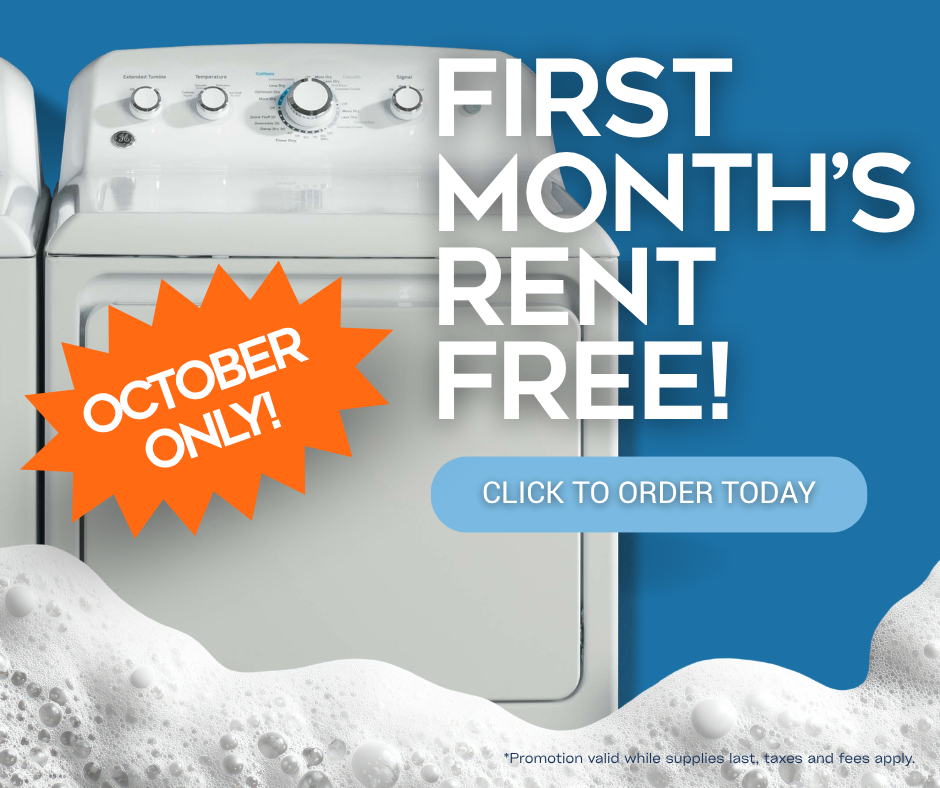
Start with transparent, flexible pricing that speaks to Gen Z’s cost sensitivity and preference for predictability. Offer clear options such as “laundry included” tiers versus lower-rent units without in‑unit laundry, and a middle tier with a discounted subscription for a set number of loads per month. Consider a coin‑less, app‑billed pay‑per‑use model or a flat monthly laundry add‑on so renters can choose what fits their budget; present all fees and savings side‑by‑side in listings so there are no hidden costs. Short promotional incentives—first month of laundry free, a move‑in credit that can be applied to appliance use, or waived deposits for students—lower the barrier to sign-up and let prospects immediately perceive value from the in‑unit amenity.
Pair those pricing choices with incentives and messaging that align with Gen Z priorities. Use time‑back incentives (e.g., “save X hours weekly with in‑unit laundry”) and sustainability hooks (show estimated water/energy savings from efficient units) because this cohort responds to both convenience and values-based benefits. Offer referral bonuses redeemable as utility credits or rent discounts, and run periodic contests or social campaigns (UGC photo or TikTok challenges) that reward residents who post about their in‑unit laundry experience. Operationally, integrate smart washers/dryers with property apps so promotions and credits can be delivered automatically, and consider trial campaigns—e.g., free or discounted laundry for the first 30 days—to encourage habit formation and collect usage data.
Market these offers where Gen Z spends attention and in the formats they prefer. Create short, authentic video content showing quick day‑in‑the‑life scenes that highlight privacy, time savings, and the appliance’s smart features; leverage micro‑influencers and resident testimonials rather than polished ads. Use targeted social ads with clear calls to action (virtual tour, apply, book a tour) and A/B test creatives and CTAs to see what converts—price transparency, sustainability claims, or time‑saving messaging. Measure results by tracking cost per lead, conversion to lease, appliance usage patterns, and renewal rates, then iterate: scale the price/incentive packages that yield higher retention and use the behavioral data to refine offers so in‑unit laundry becomes a proven driver of attraction and long‑term resident loyalty.
About Precision Appliance Leasing
Precision Appliance Leasing is a washer/dryer leasing company servicing multi-family and residential communities in the greater DFW and Houston areas. Since 2015, Precision has offered its residential and corporate customers convenience, affordability, and free, five-star customer service when it comes to leasing appliances. Our reputation is built on a strong commitment to excellence, both in the products we offer and the exemplary support we deliver.